Archives
- 2026-09
- 2026-08
- 2026-07
- 2026-06
- 2026-05
- 2026-04
- 2026-03
- 2026-02
- 2026-01
- 2025-12
- 2025-11
- 2025-10
- 2025-09
- 2025-03
- 2025-02
- 2025-01
- 2024-12
- 2024-11
- 2024-10
- 2024-09
- 2024-08
- 2024-07
- 2024-06
- 2024-05
- 2024-04
- 2024-03
- 2024-02
- 2024-01
- 2023-12
- 2023-11
- 2023-10
- 2023-09
- 2023-08
- 2023-07
- 2023-06
- 2023-05
- 2023-04
- 2023-03
- 2023-02
- 2023-01
- 2022-12
- 2022-11
- 2022-10
- 2022-09
- 2022-08
- 2022-07
- 2022-06
- 2022-05
- 2022-04
- 2022-03
- 2022-02
- 2022-01
-
In humans mutations in KDM A KDM B and
2022-01-03
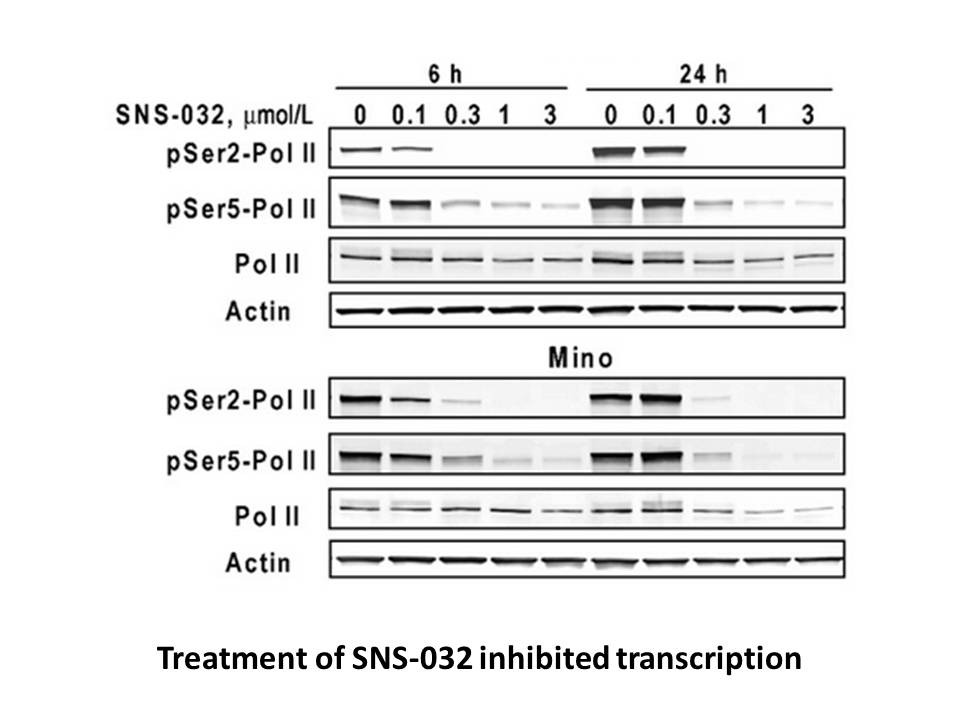
In humans, mutations in KDM5A, KDM5B, and KDM5C are found in patients with ID, implicating KDM5-regulated transcription in the development or activity of neuronal tissues (Vallianatos and Iwase, 2015). KDM5D is Y-linked, and its role in cognition remains uncharacterized. Mutations in KDM5C are the m
-
G P also plays a critical
2022-01-03
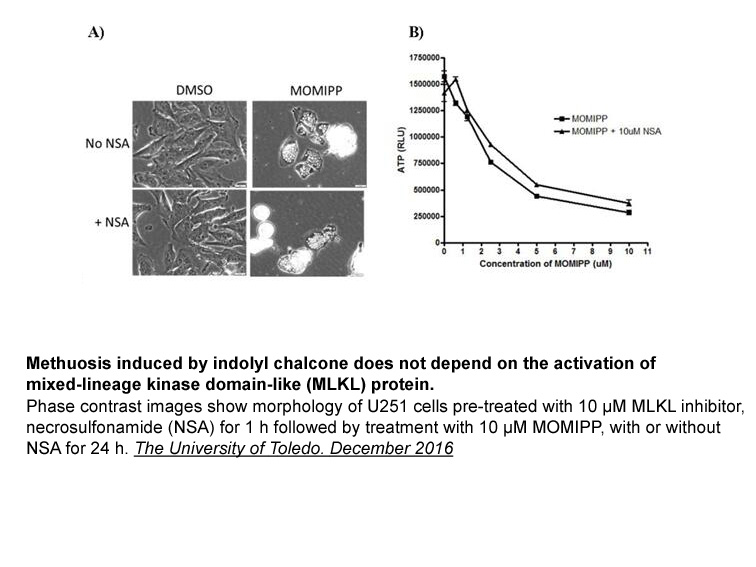
G6P also plays a critical role in regulating HK2 binding to mitochondria. Elevated levels of intracellular G6P weaken HK2 binding to mitochondria, causing the enzyme to translocate to the cytoplasm and facilitate anabolic glucose metabolism. Acidosis similarly induces HK2 translocation from mitochon
7922 records 529/529 page Previous First page 上5页 526527528529