Archives
- 2026-09
- 2026-08
- 2026-07
- 2026-06
- 2026-05
- 2026-04
- 2026-03
- 2026-02
- 2026-01
- 2025-12
- 2025-11
- 2025-10
- 2025-09
- 2025-03
- 2025-02
- 2025-01
- 2024-12
- 2024-11
- 2024-10
- 2024-09
- 2024-08
- 2024-07
- 2024-06
- 2024-05
- 2024-04
- 2024-03
- 2024-02
- 2024-01
- 2023-12
- 2023-11
- 2023-10
- 2023-09
- 2023-08
- 2023-07
- 2023-06
- 2023-05
- 2023-04
- 2023-03
- 2023-02
- 2023-01
- 2022-12
- 2022-11
- 2022-10
- 2022-09
- 2022-08
- 2022-07
- 2022-06
- 2022-05
- 2022-04
- 2022-03
- 2022-02
- 2022-01
-
Here we show that Hippo signaling components
2022-02-18

Here, we show that Hippo signaling components are expressed during epicardium formation. To determine the significance of Yap and Taz in the developing epicardium, we generated epicardium-specific Yap/Taz double-knockout mice. Genetic deletion of Yap and Taz using Sema3d mice leads to embryonic leth
-
CTGF is an established YAP TAZ target
2022-02-18
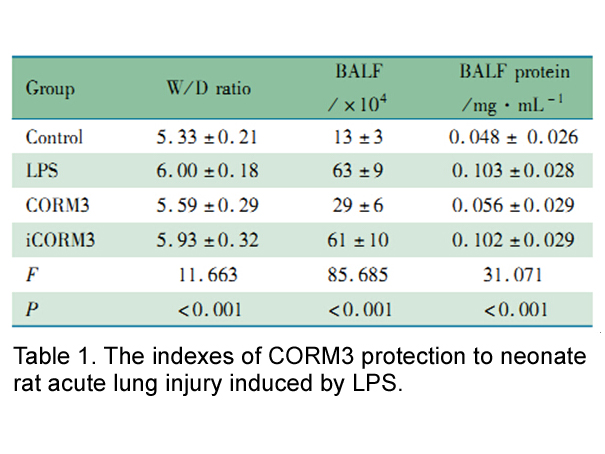
CTGF is an established YAP/TAZ target gene which plays a central role in tissue remodeling. Downregulation of CTGF mediates collagen loss in chronologically-aged human skin whereas persistent activation of CTGF can result in excessive deposition of collagen and fibrotic disorders [63]. The authors f
-
Among the isoforms of heme
2022-02-17
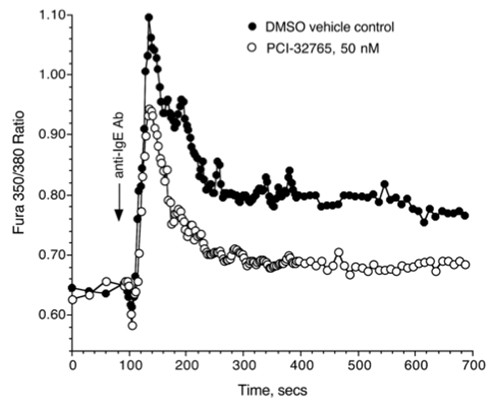
Among the 3 isoforms of heme oxygenases (HO-1, HO-2, and HO-3), HO-1 expression is inducible, and it catalyzes the degradation of heme to biliverdin, carbon monoxide (CO) and free Fe. The Fe is then stored in ferritin, limiting its ability to participate as a catalyst through the Fenton reaction and
-
Small but statistically significant variance in PhyChem inde
2022-02-17
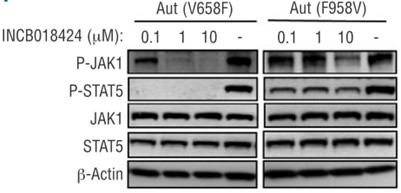
Small but statistically significant variance in 7 PhyChem indexes measured using intra-host HVR1 variants was shown to be strongly associated with CIP and MIP. All HVR1 sequences (N = 28,622) used here share only 6782 profiles of the selected 29 DAC’ of 7 PhyChem indexes. The significant majority (9
-
Measured physicochemical water parameters including conducti
2022-02-17
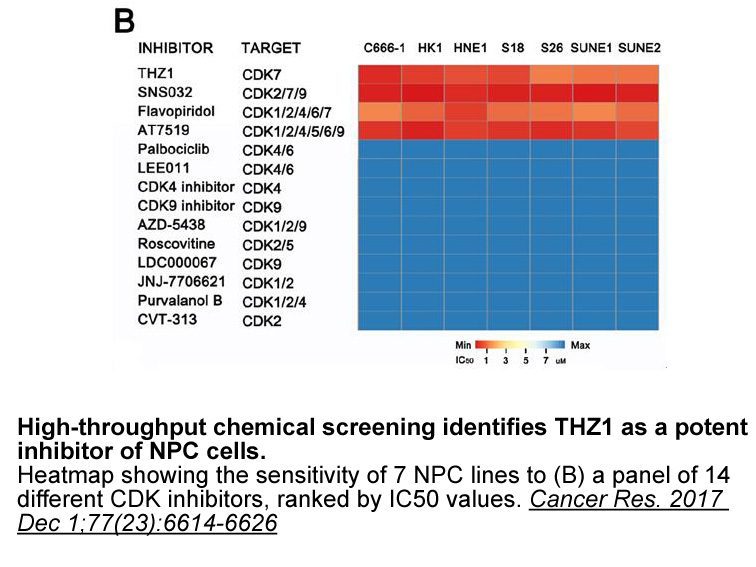
Measured physicochemical water parameters including conductivity, suspended solids and nutrient load along the studied sites (Table 1) were high compared to levels usually found in undisturbed rivers within Europe (Chapman and Kimstach, 1996). In particular conductivity, suspended solids and phospha
-
Recently a receptor for nicotinic acid named
2022-02-17
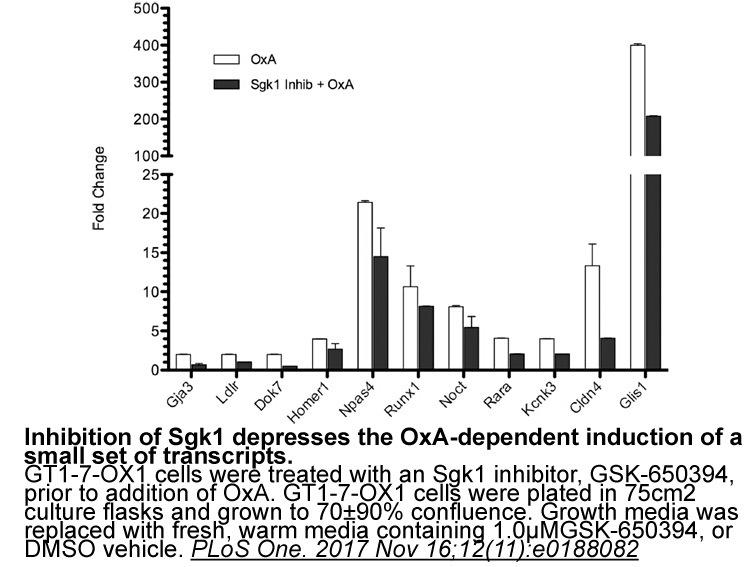
Recently, a receptor for nicotinic acid, named GPR109A (also known as HM74a in man or PUMA-G in the mouse) has been identified (Lorenzen et al., 2001, Lorenzen et al., 2002, Soga et al., 2003, Tunaru et al., 2003, Wise et al., 2003). This receptor, a member of the 7 transmembrane G-protein coupled f
-
Limited efforts were made to exploit the naturally occurring
2022-02-17
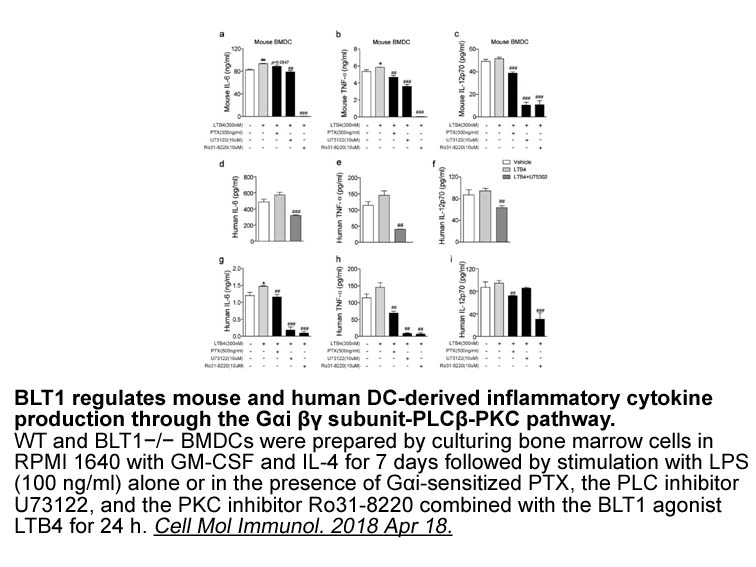
Limited efforts were made to exploit the naturally-occurring antigen-specific Treg for ex vivo expansion. This study sets up a reproducible protocol for the expansion of insulin-specific Treg isolated from NOD mice. These mao inhibitors list exhibited higher suppressive capacity compared to the poly
-
The amyloid precursor protein APP is a membrane protein
2022-02-17
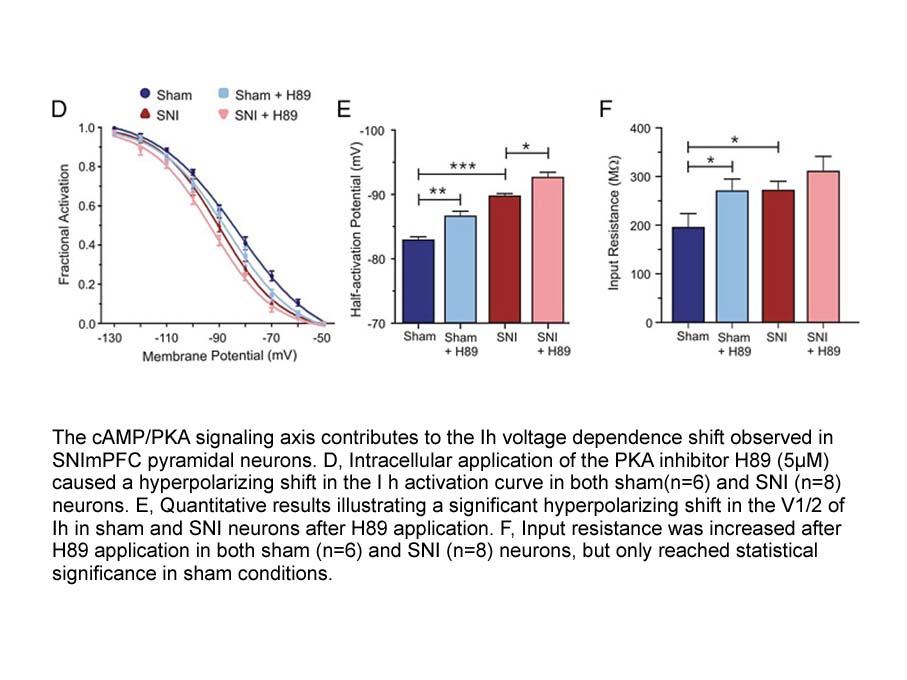
The amyloid precursor protein (APP) is a membrane protein thought to be involved in plasticity, synapse formation and repair, and export of metal ions [68]. The APP present in the brain can be cleaved by three different secretases [73], [74]. Cleavage of APP first by alpha secretase and then gamma-s
-
Overall the multiple nucleic acid hybridization method is us
2022-02-17
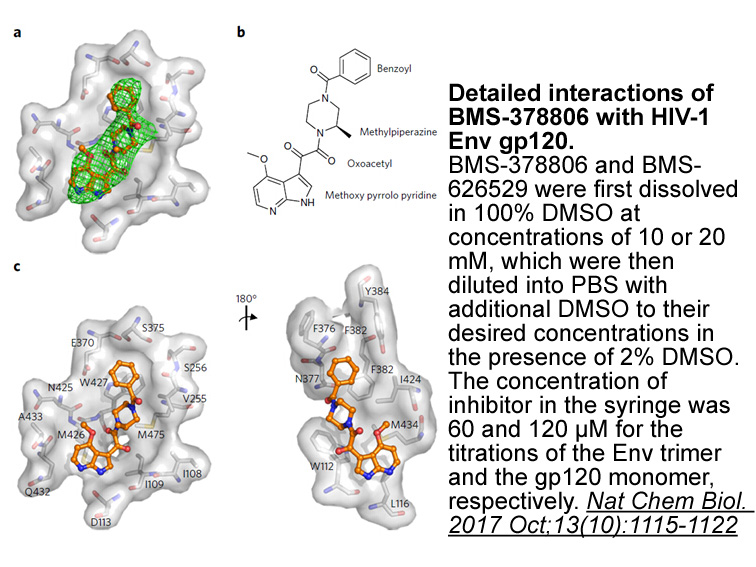
Overall, the multiple nucleic tie2 hybridization method is useful for detecting specific transcripts within tissues of nematodes. The present study suggests that Peq-pgp-11 and Peq-pgp-16 mRNAs are expressed in many tissues of Parascaris. Our results indicate that Pgps could protect nematodes from a
-
Overall ABC transporters are hypothesised to prevent
2022-02-17
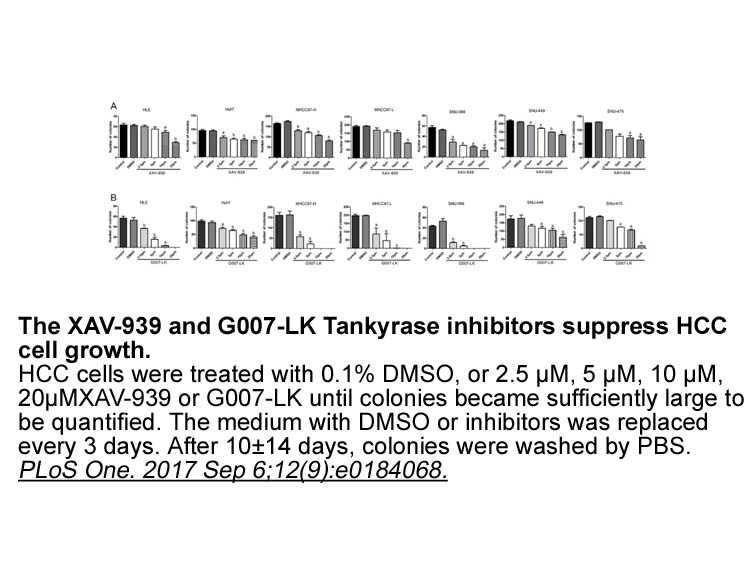
Overall, ABC transporters are hypothesised to prevent the penetration of AEDs and other pharmacological compounds into the brain, being a hurdle for therapeutic delivery in neurological diseases. DRE is thought to be in part related to an increased expression of efflux transporters in the BBB, altho
-
RG2833 A number of experimental data
2022-02-17
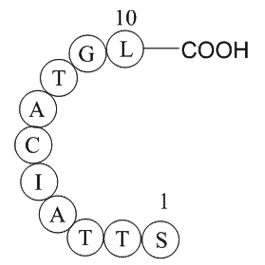
A number of experimental data declare a tight interdependence between the pathological changes of glutamate transport in RG2833 and consequent alterations in glutamate transport and activity/expression of glutamate metabolizing enzymes in platelets (Aliprandi et al., 2005, Behari and Shrivastava, 2
-
In conclusion atorvastatin but not pravastatin impaired gluc
2022-02-17
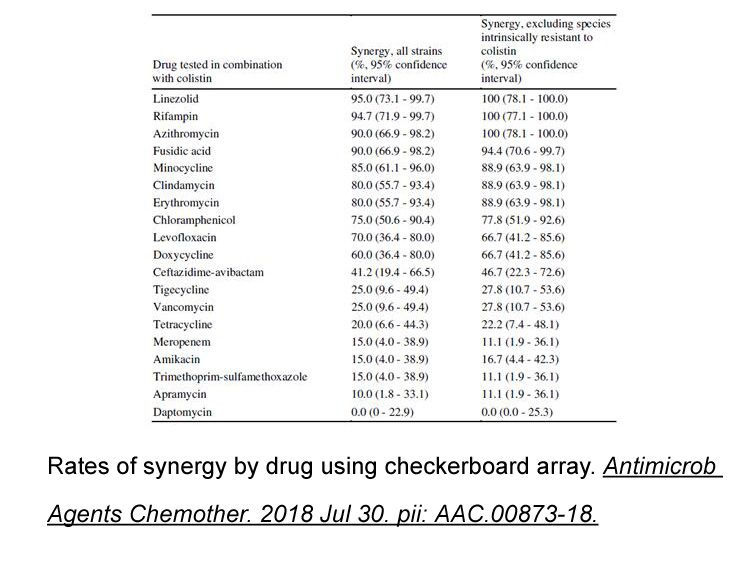
In conclusion, atorvastatin but not pravastatin impaired glucose utilization in C2C12 cells and glucose tolerance in HFD mice, which may be partly due to the inhibition of GLUT4 translocation in muscle cells. The decrease in the cholesterol level induced by atorvastatin may partly account for the in
-
Glucagon was described as an insulin secretagogue as
2022-02-17
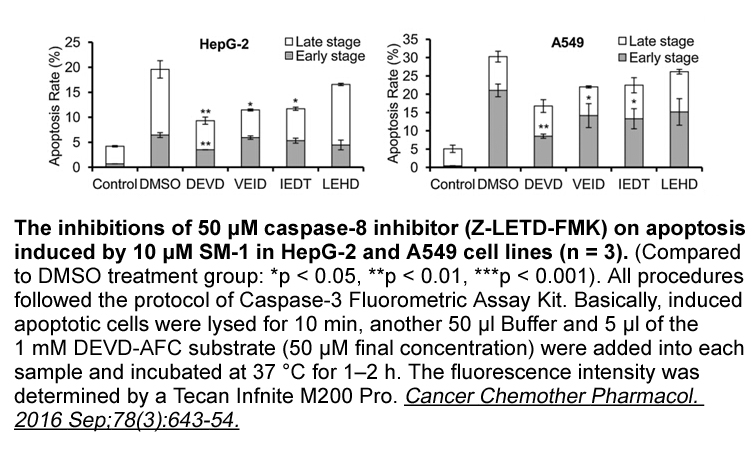
Glucagon was described as an insulin secretagogue as early as 1965 (Samols et al., 1965). Our studies extend these findings by demonstrating that this is a direct effect mediated by distinct receptors in the mouse pancreas. Previous experiments on isolated β YM155 clearly show that glucagon is capab
-
br Acknowledgments br Introduction Postmenopausal osteoporos
2022-02-17
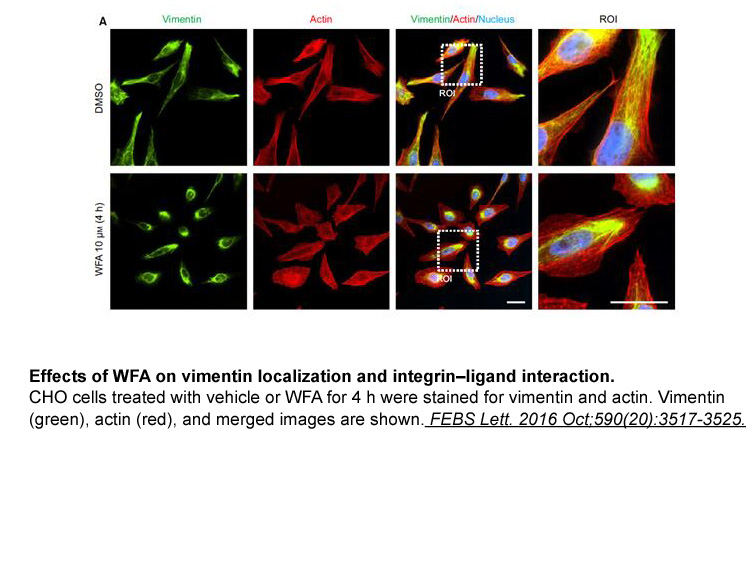
Acknowledgments Introduction Postmenopausal osteoporosis, which is primarily caused by Nutlin3 deficiency, has been a worldwide health problem and threatens postmenopausal women of all races. An estimated 80% of osteoporosis patients in the United States are women, and approximately 30% of po
-
Ulimorelin also known as TPZ is a macrocyclic molecule
2022-02-17
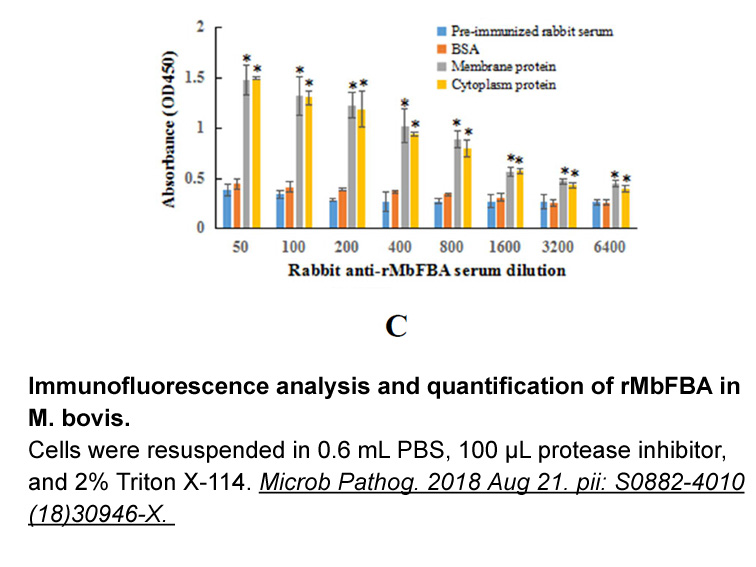
Ulimorelin, also known as TPZ101, is a macrocyclic molecule that is a potent agonist of the ghrelin receptor (Hoveyda et al., 2011). Due to its ability to stimulate gastrointestinal motility, ulimorelin has been evaluated as a possible treatment in gastroparesis (Ejskjaer et al., 2010), ileus (Frase
7914 records 504/528 page Previous Next First page 上5页 501502503504505 下5页 Last page