Archives
- 2026-03
- 2026-02
- 2026-01
- 2025-12
- 2025-11
- 2025-10
- 2025-09
- 2025-03
- 2025-02
- 2025-01
- 2024-12
- 2024-11
- 2024-10
- 2024-09
- 2024-08
- 2024-07
- 2024-06
- 2024-05
- 2024-04
- 2024-03
- 2024-02
- 2024-01
- 2023-12
- 2023-11
- 2023-10
- 2023-09
- 2023-08
- 2023-07
- 2023-06
- 2023-05
- 2023-04
- 2023-03
- 2023-02
- 2023-01
- 2022-12
- 2022-11
- 2022-10
- 2022-09
- 2022-08
- 2022-07
- 2022-06
- 2022-05
- 2022-04
- 2022-03
- 2022-02
- 2022-01
- 2021-12
- 2021-11
- 2021-10
- 2021-09
- 2021-08
- 2021-07
- 2021-06
- 2021-05
- 2021-04
- 2021-03
- 2021-02
- 2021-01
- 2020-12
- 2020-11
- 2020-10
- 2020-09
- 2020-08
- 2020-07
- 2020-06
- 2020-05
- 2020-04
- 2020-03
- 2020-02
- 2020-01
- 2019-12
- 2019-11
- 2019-10
- 2019-09
- 2019-08
- 2019-07
- 2019-06
- 2019-05
- 2019-04
- 2018-07
-
br Introduction Recruitment and activation of neutrophils PM
2020-07-31
Introduction Recruitment and activation of neutrophils (PMN) [1] are characterized by liberation of intracellular granules. Myeloperoxidase (MPO), stored in primary granules of PMN, is among the principal enzymes released. Of note, increased levels of circulating MPO can be also detected in patie
-
There are two types of DDRs DDR and DDR
2020-07-31
There are two types of DDRs, DDR1 and DDR2, which are type I transmembrane RTKs characterized by an N-terminal extracellular discoidin domain containing a collagen binding site [8]. DDR1 expression is somewhat restricted to epithelial cells, while DDR2 is often expressed in cells of mesenchymal orig
-
Sexually dimorphic testosterone hydroxylase activities have
2020-07-31
Sexually dimorphic testosterone hydroxylase activities have been suggested as a biomarker of endocrine disruption caused by xenobiotics (Wilson et al., 1999). The results from the studies reported here suggest that dietary exposure to the endocrine active test compounds, all of which have demonstrat
-
First KEGG and GO annotation were conducted
2020-07-31
First, KEGG and GO annotation were conducted for these 1251 genes. Then, combining the pathway enrichment analysis, we explored how these genes could function in breast cancer. We discovered that neuroactive ligand-receptor interaction was the most enriched pathway, which comprised numerous G protei
-
It has been shown that the vagus
2020-07-31
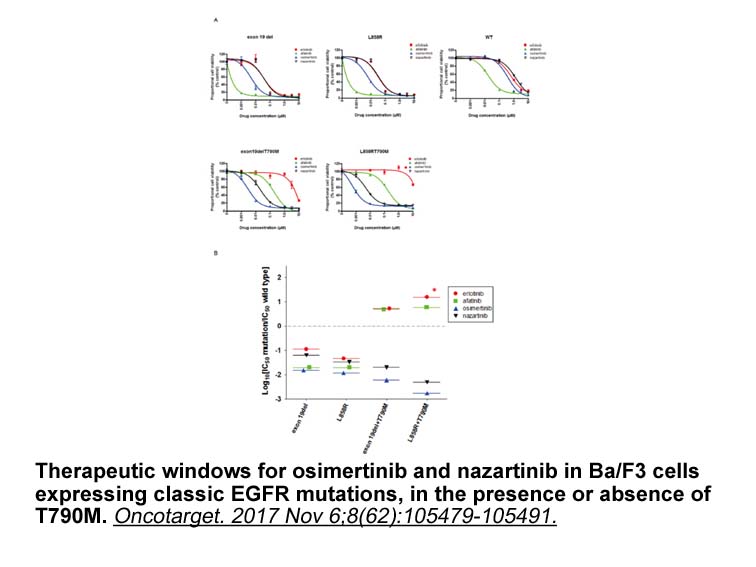
It has been shown that the vagus nerve can sense peripheral infections and/or tissue injuries via an afferent arc, which activates efferent neural circuits that modulate the progression of inflammatory responses [99]. Escherichia coli infection in mice triggers the production of Cefpodoxime Proxetil
-
Based on the analysis of DGK knockout
2020-07-31
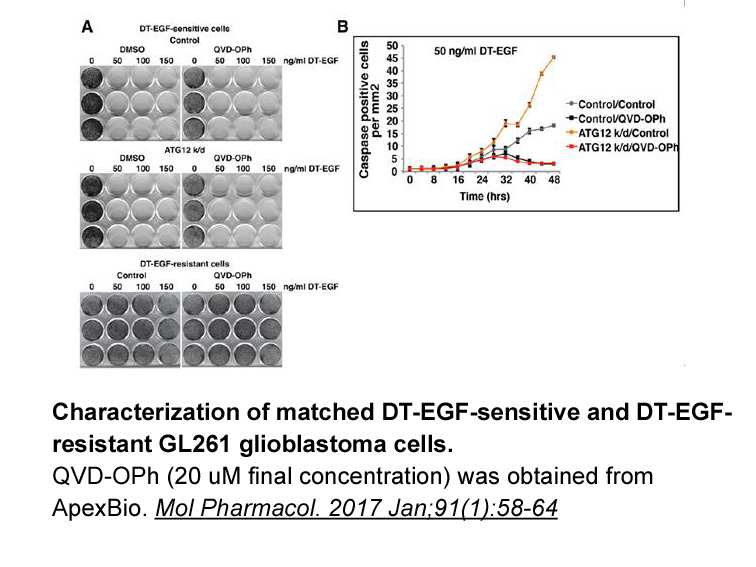
Based on the analysis of DGKδ-knockout (KO) mice, it has recently been reported that DGKδ regulates the epidermal growth factor receptor pathway in epithelial cells of the lungs and skin (Crotty et al., 2006) and insulin receptor signaling in skeletal muscle (Chibalin et al., 2008, Miele et al., 200
-
BKT140 br Concluding remarks A crucial step in the microbial
2020-07-31
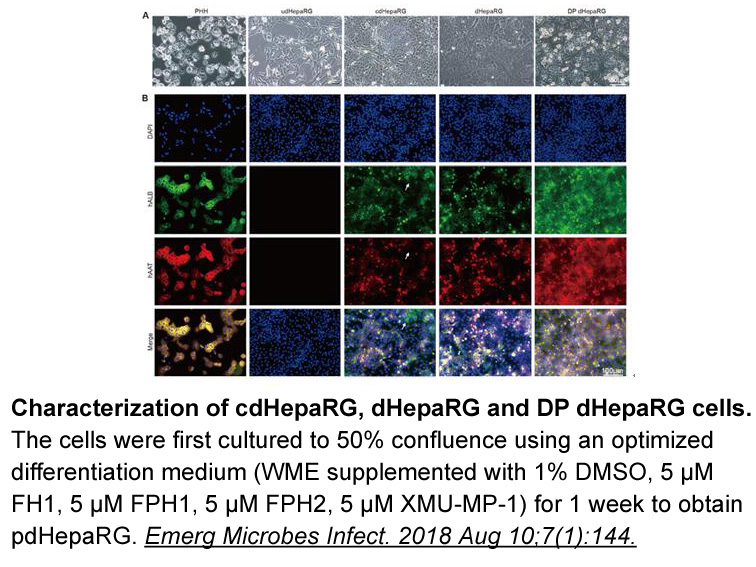
Concluding remarks A crucial step in the microbial degradation of steroids is the 1(2)-dehydrogenation of the steroid nucleus by FAD-dependent Δ1-KSTDs. This step is required to initiate the opening of the steroid nucleus under both aerobic and anaerobic conditions. A large variety of steroid-deg
-
Collagen glycosylation is also possibly involved in
2020-07-31
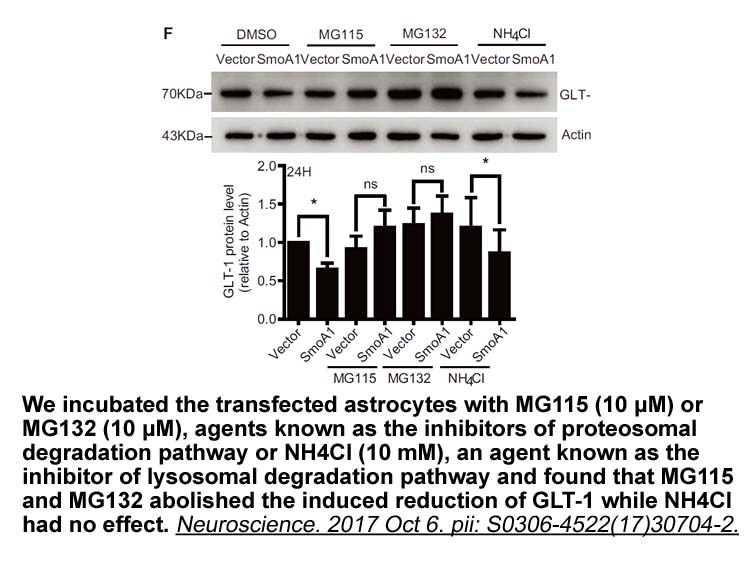
Collagen glycosylation is also possibly involved in the etiology of auto-immune diseases. Glycosylation plays a role in the recognition of collagen peptides by the adaptive immune system. In mice, immunization with heterologous collagen type II yields T-cells restricted to an immuno-dominant glycope
-
There is no evidence for Complex I presence
2020-07-30
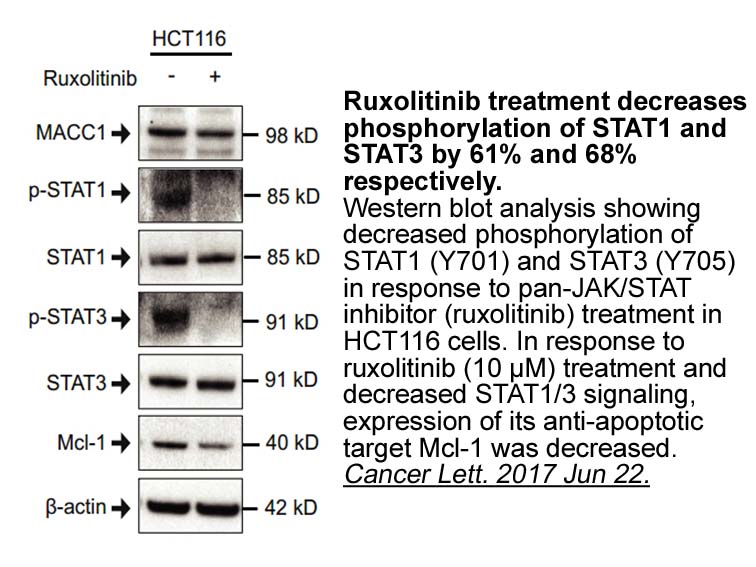
There is no evidence for Complex I presence in the P. falciparum mitochondrial 2750 transport chain, but bioinformatic analysis has identified the type II NADH dehydrogenase (PfNDH2) (Gardner et al. 2002). Analysis of the PfNDH2 gene indicates that the PfNDH2 protein is a single 52kDa monomer and p
-
The binding of collagen X
2020-07-30
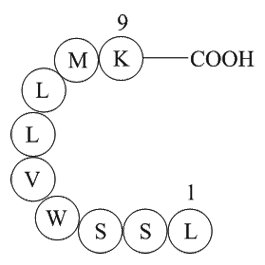
The binding of collagen X to DDR2 differs from the binding of collagen X to α2β1 integrin in that the triple helical conformation is essential for DDR2 binding. We previously reported that heat denatured pepsinised collagen X supported cell adhesion via α2β1, indicating that the triple-helical confo
-
Altogether we have shown the presence of fully methylated DA
2020-07-30
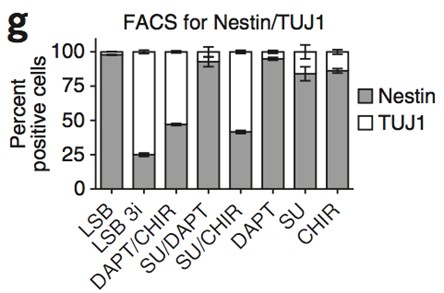
Altogether we have shown the presence of fully methylated DAPK fragments in serum of ovarian cancer patients but also of women with uterine leiomyoma. This indicates the prerequisite for the analysis of not only healthy controls but also of women with other frequent non-cancer disease for the valida
-
The in vitro studies support our previous observations of a
2020-07-30
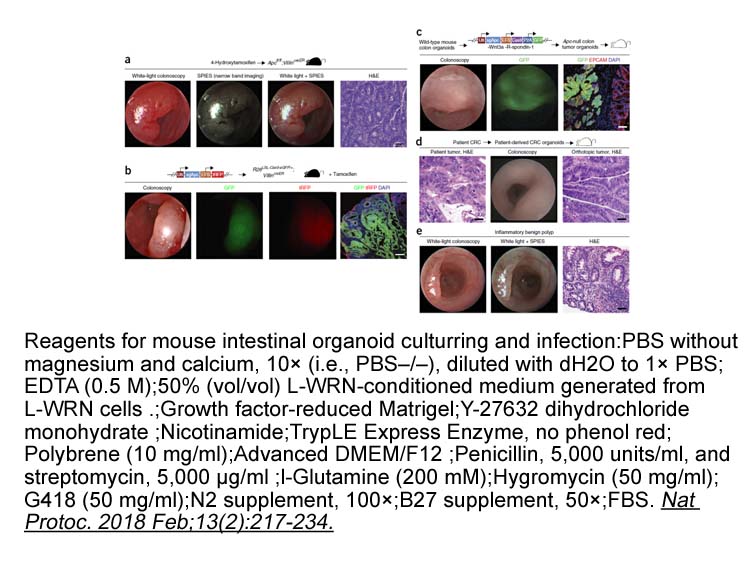
The in vitro studies support our previous observations of a bimodal expression pattern of B. malayi transcripts after tetracycline treatment, including the two enzymes we studied here. We hypothesize that this bimodal expression may be due to stage-specific responses of the host in response to Wolba
-
An integral feature of cereal seed growth development and ge
2020-07-30
An integral feature of cereal seed growth (development and germination) is the programed cell death of its individual tissues. Maternal tissues, such as the nucellus and pericarp, undergo progressive degeneration via PCD during the early stages of seed development. This process allows mobilization o
-
Activation of CDK involves binding of CDKs with their
2020-07-30
Activation of CDK involves binding of CDKs with their respective cyclins at the C-terminal via noncovalent interactions and leads to the accessibility of ATP to the catalytic site for phosphorylation of threonine. A list depicting the association of cyclins with CDKs and their overexpression in var
-
Chemokine receptors are a large
2020-07-30
Chemokine receptors are a large superfamily of G protein-coupled receptors containing 7 transmembrane domains that are predominantly localized on the surface of leukocytes (Kakinuma and Hwang, 2006). These receptors contain a short acidic N-terminal end, seven helical transmembrane domains with thre
15538 records 800/1036 page Previous Next First page 上5页 796797798799800 下5页 Last page